

If your lower back has been bothering you, you’re in very large company — back pain is the single most commonly reported body-region pain among adults, with close to 4 in 10 people experiencing it within any given three-month period. It’s also consistently ranked as one of the leading causes of lost productivity and daily discomfort worldwide.
Here’s a clear look at what’s usually behind it, why mornings often feel worse, and when massage is genuinely the right next step versus when it’s worth seeing a doctor first.
The Most Common Causes
Muscle or ligament strain. By far the most frequent cause — from lifting something awkwardly, a sudden movement, or simply overdoing it on a day you weren’t expecting to. It doesn’t always take something dramatic; even a small, ordinary movement at the wrong moment can strain the muscles supporting your lower back.
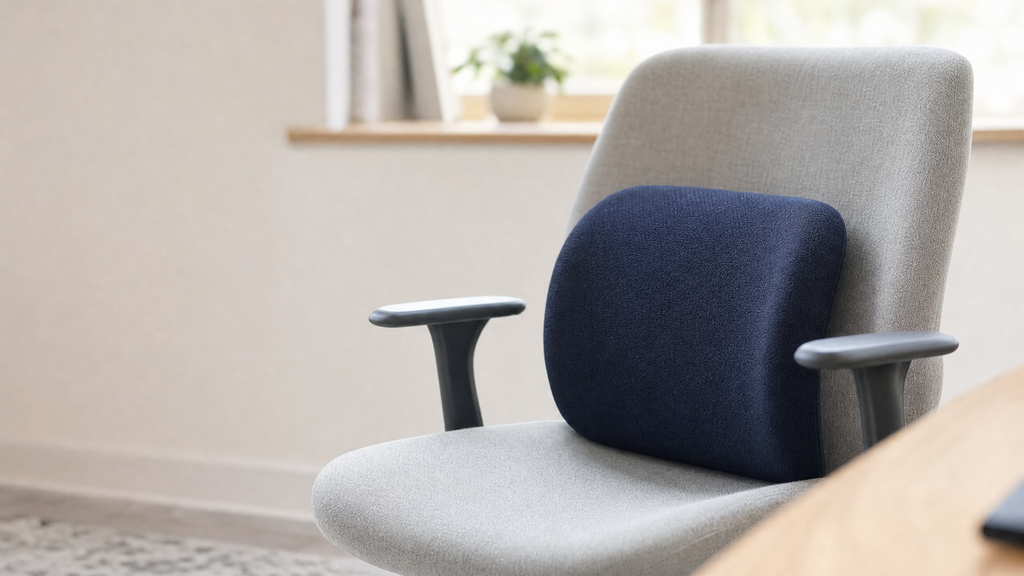
Prolonged sitting and posture. Sitting compresses the lower back and shortens the hip flexors in a way standing and moving don’t. Hours of it, day after day, is one of the most common contributors to ongoing lower back tightness — especially when combined with a chair or desk setup that isn’t quite right for your body.
Sleeping position and mattress. Waking up already sore is extremely common, and often comes down to how your spine is (or isn’t) supported overnight. A mattress that’s too soft, sleeping on your stomach, or a position that leaves your lower back unsupported can all contribute.
Stress and tension. Physical tension is a well-documented response to stress, and the lower back is one of the places it commonly shows up — not just the neck and shoulders.
Lifting and carrying. Whether it’s a gym session, moving furniture, or carrying kids, the lower back absorbs a lot of that load — especially when the movement is repeated often or done with poor form.
Worth knowing: in the majority of lower back pain cases, there’s no single clear structural problem ever identified — it’s general muscular and mechanical tension, and it usually improves with time, movement and the right care, rather than pointing to something seriously wrong.
Why Does It Hurt More in the Morning?
This is one of the most commonly asked questions about lower back pain, and there are a few genuine reasons for it: your body has been still for hours, which allows stiffness to set in; certain sleeping positions load the lower back unevenly overnight; and for some people, inflammation and fluid naturally settle in the joints during rest, easing off once you start moving. If mornings are consistently the worst part of your day, it’s often worth looking at both your mattress/pillow setup and how regularly you’re addressing the tension itself — not just pushing through it.
When Massage Genuinely Helps
For the kind of everyday lower back pain most people experience — muscle tightness, tension from sitting or stress, general stiffness without a specific injury — massage can make a real, noticeable difference. Working directly on the tight muscles supporting the lower back helps release tension, improve blood flow to the area, and ease the kind of stiffness that builds up gradually rather than from one specific event.
When to See a Doctor Instead
Massage is genuinely helpful for common muscular lower back pain, but it isn’t the right first step for everything. It’s worth seeing a doctor rather than booking a massage if you’re experiencing:
- Numbness, tingling, or weakness spreading down one or both legs
- Any loss of bladder or bowel control
- Pain following a significant fall, accident, or trauma
- Unexplained weight loss alongside the pain
- Fever alongside the back pain
- Pain that hasn’t improved at all after several weeks
None of these are common, and most lower back pain doesn’t involve any of them — but if any do apply, a doctor should be the first call, not a massage table.
Frequently Asked Questions
Is it normal to have lower back pain? Extremely common, yes — nearly 4 in 10 adults report it within any three-month period. Common doesn’t mean it should be ignored, but it also isn’t automatically a sign of something serious.
Why does my back hurt more in the morning than during the day? Usually a combination of overnight stillness, sleeping position, and natural inflammation settling in the joints during rest — most people find it eases somewhat once they start moving.
Can sitting all day cause lower back pain? Yes — prolonged sitting compresses the lower back and tightens the hip flexors, and it’s one of the most common contributors to ongoing lower back tension, especially without regular movement breaks.
How does massage actually help lower back pain? By working directly on the tight muscles contributing to the pain — releasing tension, improving blood flow, and easing the stiffness that builds up from sitting, stress, or overuse.
Should I get a massage or see a doctor first? For everyday muscular tightness and stiffness, massage is a reasonable first step. If you’re experiencing numbness, weakness, pain after a significant injury, or pain that isn’t improving after several weeks, see a doctor first.
Book Your Session
If your lower back has been a quiet, ongoing problem rather than a dramatic one, that’s exactly the kind of tension massage is built to address.